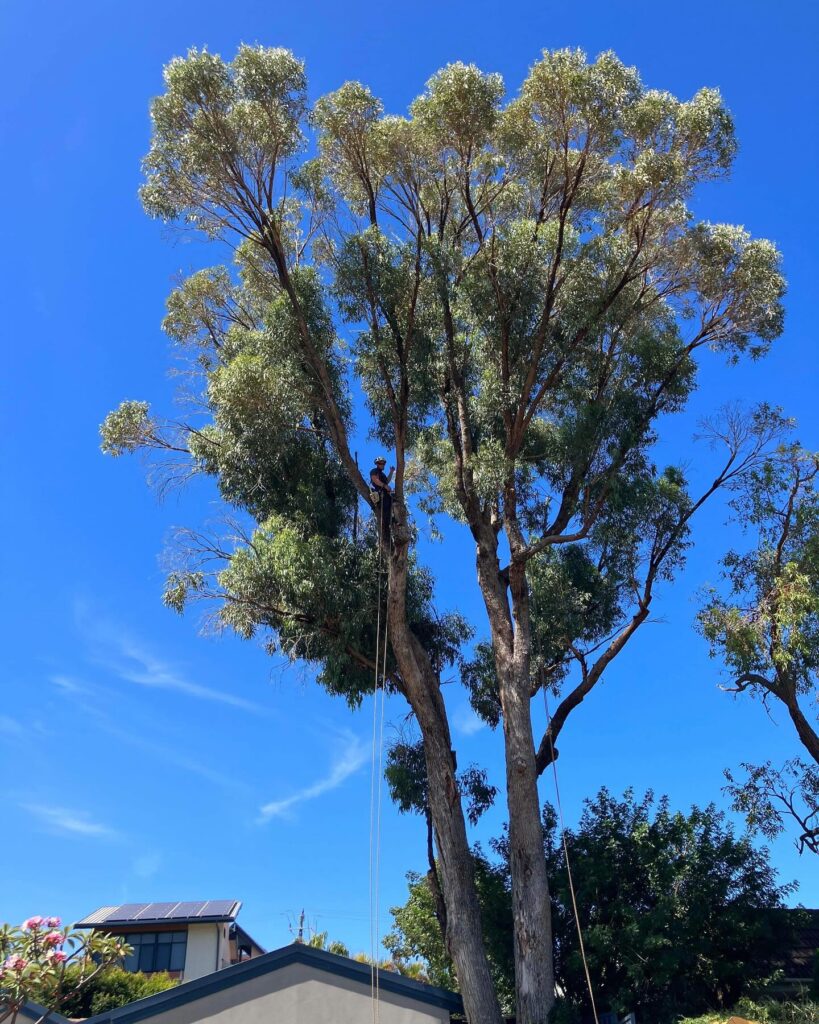
Overgrown trees can become challenging to manage when branches begin extending over roofs, driveways, fences, gardens, and outdoor living spaces. While mature trees add value and character to residential landscapes, excessive growth can create safety concerns, increase maintenance requirements, and affect the overall usability of a property.
Professional tree lopping Warwick services help property owners manage overgrown trees through strategic canopy management, branch reduction, and ongoing tree maintenance. When supported by arborist services, tree inspections, and tree health assessments, tree lopping can improve both tree condition and property safety while maintaining the visual appeal of residential landscapes.
Understanding Why Overgrown Trees Require Professional Tree Lopping and Tree Management
Trees naturally increase in size as they mature, but without regular tree maintenance, excessive growth can create a range of challenges for homeowners.
How Overgrown Trees Affect Residential Properties
Large trees that are left unmanaged may:
- Extend over roofs and gutters
- Block sunlight from gardens and lawns
- Interfere with driveways and pathways
- Encroach on neighbouring properties
- Increase leaf and branch debris
- Reduce the functionality of outdoor spaces
Professional tree management helps maintain appropriate tree size while supporting long-term tree health.
Tree Services Help Prevent Property-Related Issues
Routine tree services allow potential problems to be identified and addressed before they lead to costly repairs or safety concerns. Through regular tree inspections, canopy assessments, and tree maintenance programs, property owners can better manage tree growth while preserving the safety and appearance of their landscapes.
How Tree Lopping, Tree Pruning, and Tree Trimming Help Manage Residential Trees
Managing overgrown trees often requires a combination of specialised tree care services.
Tree Lopping Services Help Control Excessive Growth
Tree lopping is commonly used to reduce large sections of overgrown canopy that are affecting surrounding areas.
Benefits of tree lopping may include:
- Improved property clearance
- Reduced canopy spread
- Better access to outdoor areas
- Enhanced safety around structures
- Improved landscape appearance
For many residential properties, working with professional tree lopping Warwick services provides an effective way to manage excessive growth while maintaining property safety and tree health. Experienced tree care professionals can assess canopy size, branch structure, and surrounding site conditions to determine the most appropriate tree management strategy for long-term results.
Tree Pruning Supports Tree Health and Structural Development
Professional tree pruning focuses on improving branch structure while encouraging healthier growth patterns.
Tree pruning may assist with:
- Deadwood removal
- Structural pruning
- Crown thinning
- Canopy balancing
- Disease management
Tree Trimming Helps Maintain Appearance and Functionality
Tree trimming is often performed to manage seasonal growth and maintain attractive, well-presented landscapes. Regular trimming can also help reduce overcrowding within the canopy and improve overall tree performance.
Canopy Reduction, Crown Thinning, and Branch Reduction Techniques for Overgrown Trees
Professional arborist services often use a variety of canopy management techniques to address excessive tree growth.
Crown Reduction Helps Manage Tree Size
Crown reduction decreases the overall height and spread of a tree while preserving its natural form.
This approach may help:
- Improve clearance around buildings
- Reduce canopy weight
- Improve sunlight access
- Enhance tree stability
- Reduce wind resistance
Crown Thinning Improves Airflow and Light Penetration
Crown thinning involves selectively removing branches throughout the canopy.
Benefits include:
- Better air circulation
- Improved canopy health
- Increased sunlight penetration
- Reduced disease pressure
- Enhanced growing conditions
Branch Reduction Supports Tree Safety
Branch reduction can help minimise risks associated with heavy limbs extending over homes, driveways, outdoor entertainment areas, and neighbouring properties.
Arborist Services, Tree Inspections, and Tree Health Assessments for Long-Term Tree Care
Not all overgrown trees require the same management approach. Professional assessments help determine the most suitable solution.
Tree Inspections Identify Potential Concerns
Tree inspections often evaluate:
- Structural integrity
- Canopy condition
- Tree health
- Root stability
- Signs of disease
- Branch attachment strength
Tree Health Assessments Support Better Tree Management
Tree health assessments provide valuable information about a tree’s condition and help guide future tree maintenance decisions. Early detection of tree health issues can often prevent more serious problems from developing later.
Certified Arborist Services Improve Decision-Making
Qualified arborists can recommend appropriate tree lopping, tree pruning, canopy reduction, crown thinning, or tree removal solutions based on the specific needs of each tree.
Tree Risk Assessments and Hazard Management Around Homes and Structures
As trees become larger, they may present increased risks to nearby structures and people.
Common Tree Hazards Found on Residential Properties
Potential concerns include:
- Overhanging limbs
- Dead branches
- Weak branch unions
- Excessive canopy weight
- Storm-damaged growth
- Structural defects
Tree Risk Assessments Improve Property Protection
Professional tree risk assessments help identify hazards early and support proactive tree management strategies. This process is particularly important for large trees located near homes, garages, driveways, pools, and outdoor living spaces.
Storm Preparation Through Tree Maintenance, Deadwood Removal, and Canopy Management
Severe weather can place significant stress on overgrown trees.
Why Tree Maintenance Supports Storm Readiness
Routine tree maintenance can help:
- Reduce branch failure risks
- Improve canopy balance
- Minimise wind resistance
- Remove deadwood
- Improve structural stability
Deadwood Removal Reduces Safety Risks
Removing dead and weakened branches is an important part of storm preparation and residential tree care. Deadwood removal can also help improve canopy health and reduce the likelihood of falling branches during strong winds.
When Tree Removal, Emergency Tree Removal, and Hazardous Tree Removal Become Necessary
Although tree lopping and tree pruning can often resolve growth-related issues, some trees may present more serious concerns.
Situations Where Tree Removal May Be Required
Tree removal may be recommended when a tree has:
- Advanced decay
- Severe disease
- Root instability
- Significant storm damage
- Structural failure risks
Emergency Tree Removal for Immediate Hazards
Emergency tree removal may be necessary when trees pose an urgent threat to:
- Homes
- Vehicles
- Power lines
- Pedestrian areas
- Neighbouring properties
Hazardous Tree Removal Improves Safety
Removing hazardous trees can help prevent accidents while protecting surrounding structures, landscapes, and people from potential harm.
Benefits of Ongoing Residential Tree Care and Professional Tree Services
Effective tree care extends beyond occasional pruning or canopy reduction.
Long-Term Tree Maintenance Supports Healthier Growth
Ongoing tree maintenance can help:
- Improve tree health
- Encourage balanced growth
- Reduce future hazards
- Enhance property appearance
- Extend tree lifespan
Professional Tree Services Protect Property Investments
Regular arborist services help ensure trees remain safe, attractive, and appropriate for their surrounding environment. Investing in preventative tree care can often reduce long-term maintenance costs while preserving the value of mature trees.
Improve Tree Safety and Maintain Healthier Residential Trees Through Ongoing Tree Care
Overgrown trees can affect everything from property safety and accessibility to tree health and landscape appearance. Through regular tree maintenance, canopy management, tree pruning, tree trimming, and arborist inspections, property owners can address potential issues before they develop into larger concerns.
Professional tree services help ensure trees remain structurally sound, visually appealing, and appropriate for their surrounding environment. Whether the goal is improving clearance around structures, reducing storm-related risks, supporting healthy tree growth, or maintaining a balanced canopy, proactive tree care plays an important role in long-term landscape management.
By investing in routine tree maintenance, tree health assessments, canopy management, and expert arborist services, property owners can create safer outdoor environments while preserving the value and benefits that mature trees bring to residential properties. Proper tree management today can help reduce future maintenance requirements and support healthier, more resilient landscapes for years to come.